Article
Why This Breakfast Formula Works
Most women over 40 start their day with 10-15 grams of protein at breakfast. But research shows you need 25-30 grams - with at least 3-4 grams of leucine - to maximize muscle protein synthesis. This...
Nutrition research, wellness tips, and practical guides for women over 40.
Most women over 40 start their day with 10-15 grams of protein at breakfast. But research shows you need 25-30 grams - with at least 3-4 grams of leucine - to maximize muscle protein synthesis. This...
Two protein powders sit on the shelf. Both say "30g protein." Same price. Same size. But one will help you build muscle, and the other won't. The difference? DIAAS scores - and most people have never...

On every flight, the safety announcement reminds us: "Put your own oxygen mask on first before helping others." But how many of us actually apply this wisdom to our daily lives?
For decades, we've been told that plant-based eaters must carefully combine proteins at every meal to create "complete" proteins. Rice and beans together. Peanut butter with whole wheat bread. Hummus...
You're eating 100 grams of protein per day. You're tracking every meal. You're doing everything right. But your muscles are still shrinking. Why? Because you're missing the leucine threshold - and...

We talk a lot about self-love, but what does it actually look like in practice? The answer might be simpler than you think - it starts with how you feed yourself.
If you're eating plenty of protein but still losing muscle, the problem might not be how MUCH you're eating - it might be WHAT you're eating. Because here's something most women don't know: Not all...
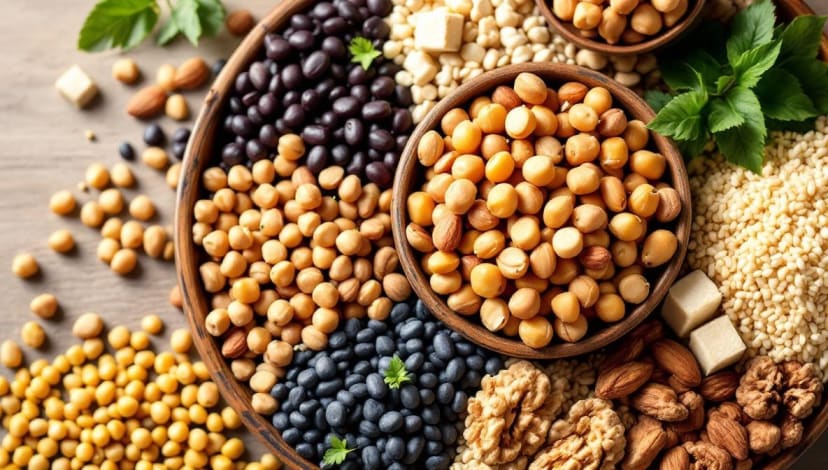
Let's wrap up Heart Health Week with something empowering: You don't need to go fully vegetarian to gain heart protection from plant proteins. Research shows that simply substituting plant proteins...

Here's a statistic that might surprise you: Heart disease is the #1 killer of women - not breast cancer, not any other condition. And your risk increases dramatically after menopause. In the decade...

Fish or red meat - which is better for your heart? It's a question many women ask, and the research provides a clear answer. But it's not as simple as "red meat is bad" or "fish is good." The truth...

If you're a woman over 40, here's a number you need to know: 22%. That's how much lower your heart disease risk is when you consume adequate protein - at least 1.2 grams per kilogram of body weight...

If you've ever tried to eat more plant-based, you've probably heard that you need to "combine proteins" to get complete nutrition. Rice and beans. Peanut butter and bread. Lentils and quinoa. But is...