The Plant Protein Advantage for Heart Health
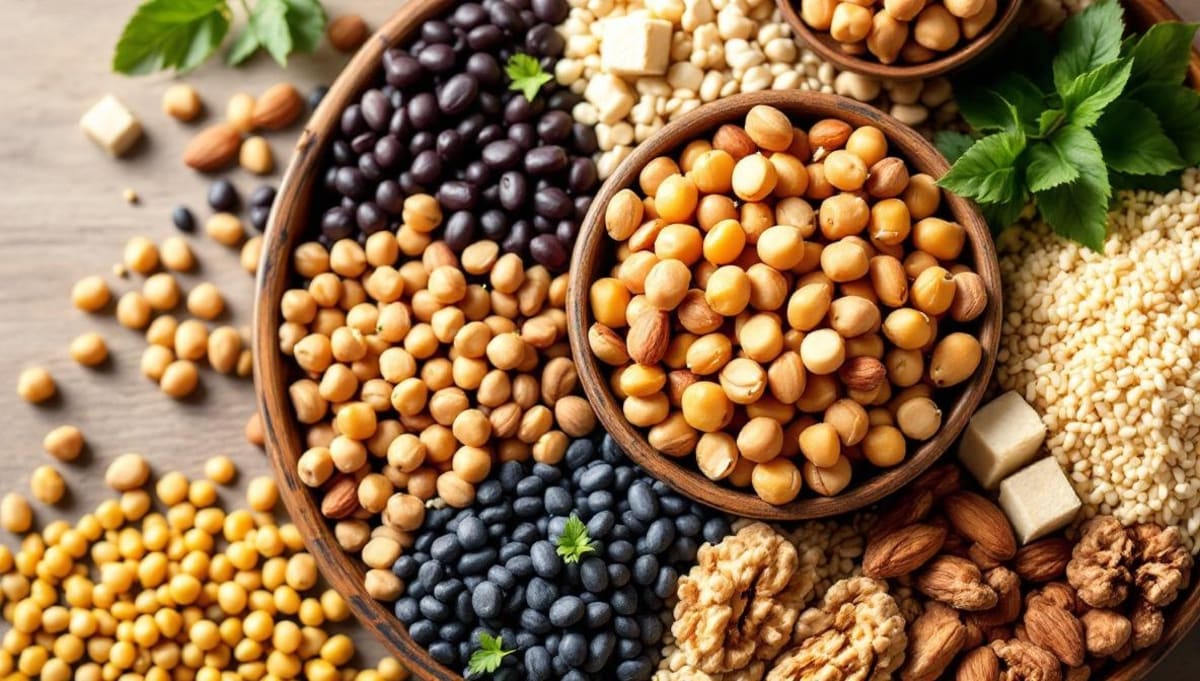
Let's wrap up Heart Health Week with something empowering: You don't need to go fully vegetarian to gain heart protection from plant proteins. Research shows that simply substituting plant proteins for red meat - even a few times per week - reduces cardiovascular disease risk by 14%.
In this article, we'll explore which plant proteins are most protective, how to include more without overhauling your diet, and why this matters for women over 40.
The Research: 215,000 People, Clear Results
A pooled analysis published in The Lancet examined data from 215,000 participants across multiple large cohort studies. The findings were consistent:
- Substituting plant protein for red meat: 14% lower cardiovascular disease risk
- Substituting plant protein for processed meat: Even larger reduction (up to 18%)
- Regular legume consumption: 6% lower risk per serving increase weekly
- Nut consumption (1 oz daily): 21% lower risk of heart disease
The key word here is "substituting." You're not adding calories - you're replacing some animal protein with plant protein. This shift alone provides meaningful heart protection.
The Most Heart-Protective Plant Proteins
Not all plant proteins are equal. Here are the ones with the strongest cardiovascular evidence:
Legumes: The Cardiovascular Superstars
Chickpeas, lentils, black beans, kidney beans, white beans
Legumes are uniquely beneficial because they provide:
- Plant protein (7-9g per 1/2 cup)
- Soluble fiber that ACTIVELY lowers cholesterol
- Resistant starch that feeds beneficial gut bacteria
- Folate for healthy homocysteine levels
- Potassium and magnesium for blood pressure regulation
- Low glycemic impact (supports blood sugar stability)
Aim for: At least 3 servings per week
Nuts: Small But Mighty
Almonds, walnuts, pistachios, cashews, pecans
Nuts provide:
- Plant protein (5-7g per ounce)
- Heart-healthy unsaturated fats
- Fiber for cholesterol management
- Arginine (amino acid that supports blood vessel function)
- Plant sterols that reduce cholesterol absorption
Walnuts are particularly beneficial due to their omega-3 content.
Aim for: 1 oz (small handful) most days
Soy Products: Complete Plant Protein
Tofu, tempeh, edamame
Soy provides:
- Complete protein with all essential amino acids
- Isoflavones that may improve cholesterol profiles
- Fiber (in whole forms like edamame and tempeh)
Research shows soy protein may modestly lower LDL cholesterol.
Aim for: 1-2 servings per week
Other Heart-Healthy Plant Proteins
- Quinoa: Complete protein, high in fiber and minerals
- Hemp seeds: Omega-3 fatty acids plus protein
- Chia seeds: Fiber, omega-3s, and protein in one
- Pumpkin seeds: Magnesium for blood pressure support
How to Include More Plant Proteins (Without Going Vegetarian)
You don't need to overhaul your diet. Small, strategic additions make a real difference:
Easy Additions
- Add chickpeas to salads: Open a can, rinse, toss them in. Instant 7g protein boost.
- Snack on nuts: Replace afternoon chips or crackers with a small handful of almonds or walnuts.
- Try hummus as a dip: Chickpea-based hummus with vegetables is a heart-healthy snack.
- Include edamame: Steam frozen edamame for a quick side dish. 17g protein per cup.
- Add beans to soups: White beans, black beans, or lentils thicken soups while adding protein and fiber.
Simple Swaps
- Meatless Monday: One plant-based dinner weekly. Try chickpea curry, lentil soup, or black bean tacos.
- Swap half the meat: Making chili? Use half ground beef, half black beans. Same satisfaction, more fiber.
- Tofu stir-fry: Once a week, replace chicken with pressed, seasoned tofu in your stir-fry.
- Nut butter breakfast: Top oatmeal with almond butter instead of eating breakfast sausage.
Build a Plant Protein Pantry
Keep these stocked for easy access:
- Canned chickpeas, black beans, white beans, lentils (no-sodium or low-sodium)
- Dried lentils (cook in 20 minutes, no soaking needed)
- Firm tofu
- Frozen edamame
- Raw nuts (almonds, walnuts, pistachios)
- Natural nut butters (no added sugar)
- Quinoa
- Seeds (hemp, chia, pumpkin)
Why Plant Proteins Are Heart-Protective
What makes plant proteins different from animal proteins for cardiovascular health?
Fiber Factor
Legumes and whole food plant proteins come packaged with fiber - something animal proteins don't provide. Soluble fiber binds to cholesterol in the digestive tract and removes it from the body, actively lowering LDL levels.
No Saturated Fat
Plant proteins (except coconut) are naturally low in saturated fat. When you substitute them for red meat, you automatically reduce saturated fat intake.
Beneficial Compounds
Plants contain phytochemicals - compounds that provide health benefits beyond basic nutrition. Isoflavones in soy, polyphenols in legumes, and plant sterols in nuts all contribute to cardiovascular protection.
Anti-Inflammatory Effects
Plant-based eating patterns are associated with lower inflammation levels. Since chronic inflammation contributes to heart disease, this anti-inflammatory effect is protective.
Heart Health Week: Key Takeaways
Let's summarize what we've learned this week:
Your Heart Health Action Plan
- Protein matters: Women eating 1.2g/kg+ protein have 22% lower cardiovascular disease risk
- Fish is powerfully protective: 2-3 servings weekly = 30% lower heart disease risk
- Plant proteins reduce risk: 14-18% lower risk when substituting for red meat
- Processed meat is the main concern: Limit sausage, sausage, deli meats
- Mediterranean eating patterns work: Olive oil, fish, legumes, vegetables = consistent heart protection
- Menopause increases risk: But lifestyle factors significantly influence outcomes
- You don't need perfection: Strategic choices most of the time make a real difference
Moving Forward
Heart health isn't about a single meal or a perfect diet. It's about consistent, strategic choices over time.
You don't need to:
- Go fully vegetarian
- Give up red meat entirely
- Eat fish every single day
- Follow a complicated eating plan
You DO benefit from:
- Eating fish 2-3 times weekly
- Including plant proteins regularly
- Choosing unprocessed over processed meats
- Making protein a priority (1.2-1.6g/kg)
- Following Mediterranean-style patterns when you can
Your heart is worth protecting. And now you have the knowledge to do it - one meal at a time.
February is American Heart Month
There's no better time to prioritize your cardiovascular health. Use this week's recipes and information to make heart-protective eating a habit - not just for February, but for life.
Your heart will thank you.
Sources:
1. Satija, A., Bhupathiraju, S.N., et al. (2023). Substitution of plant protein for animal protein and cardiovascular disease risk. The Lancet, 402(10412).
2. Bernstein, A.M., Sun, Q., et al. (2024). Association between protein intake and cardiovascular outcomes in post-menopausal women. Circulation, 149(8).
3. Mozaffarian, D., Wu, J.H., et al. (2024). Fish intake and major cardiovascular events in women. JAMA, 331(12).